
 SPRACHE
 English
 Deutsch
 Español
 Français
 русский
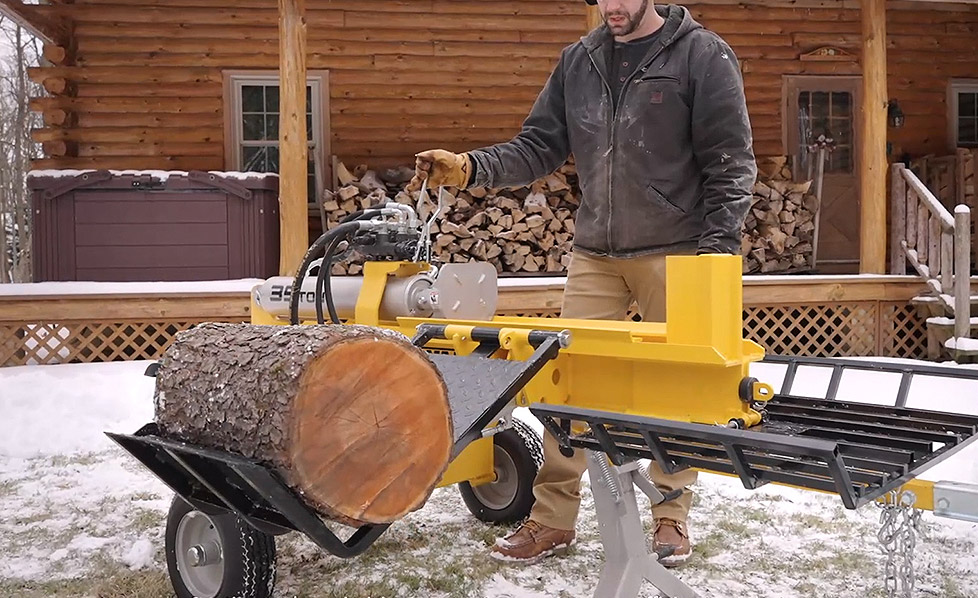
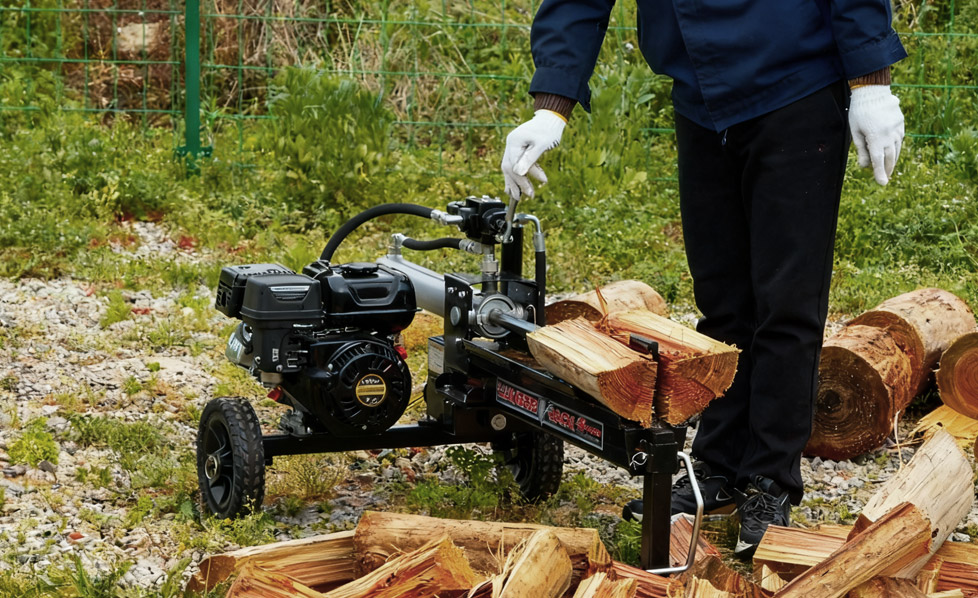
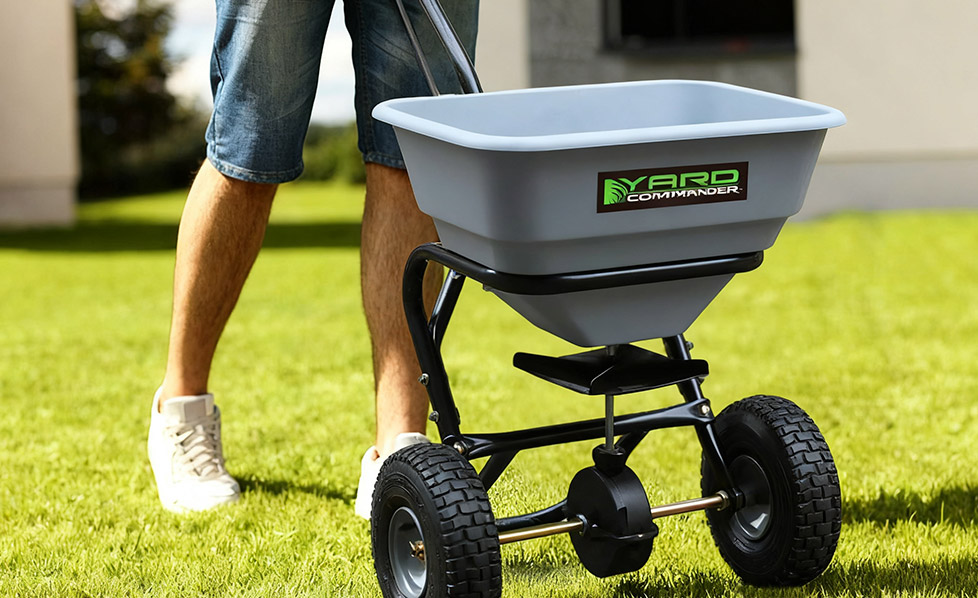
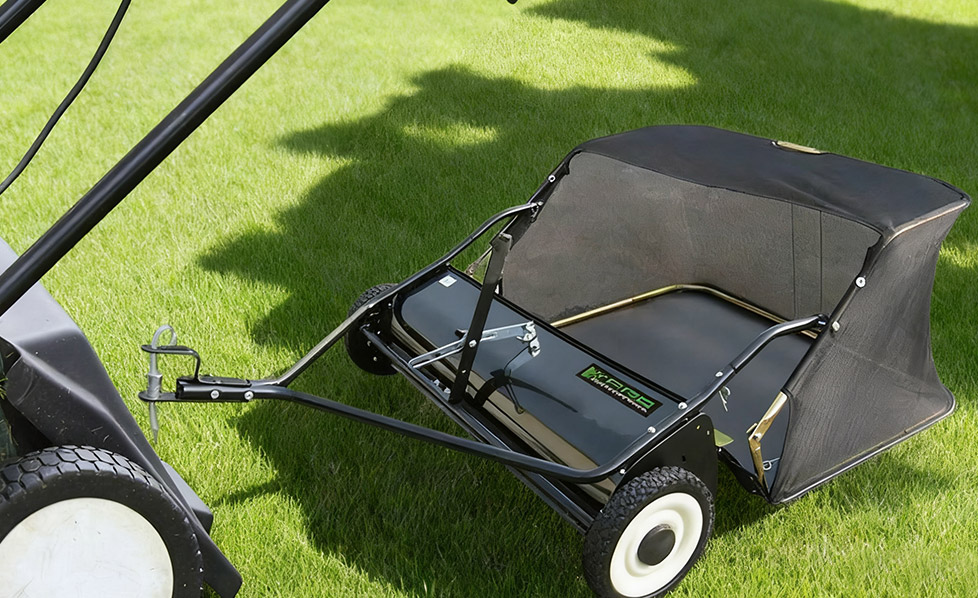
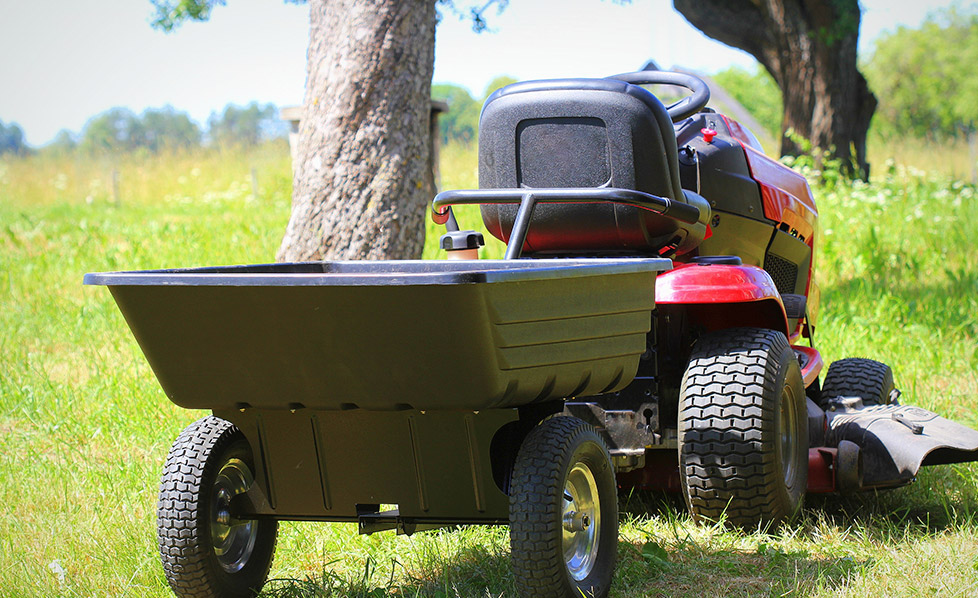
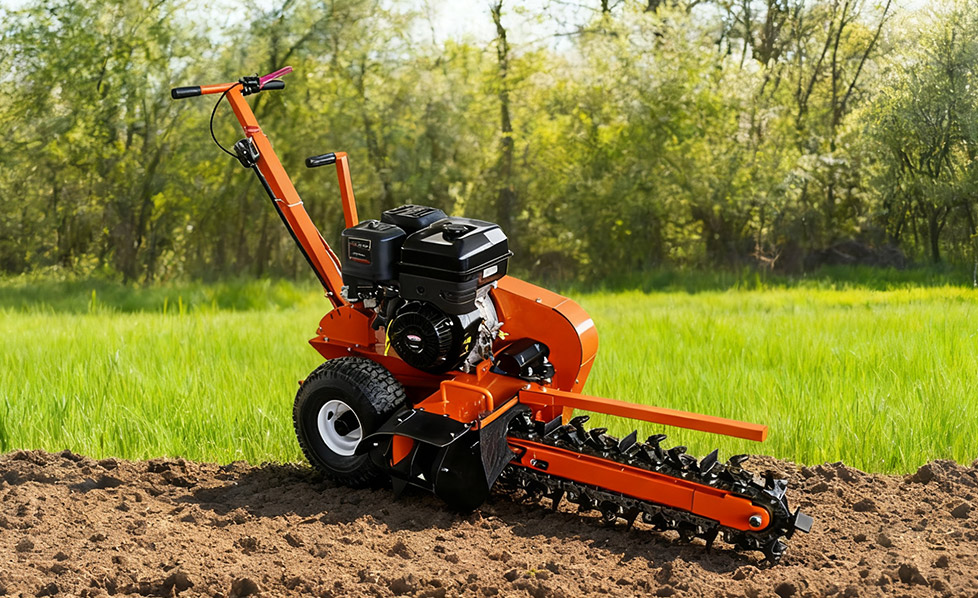
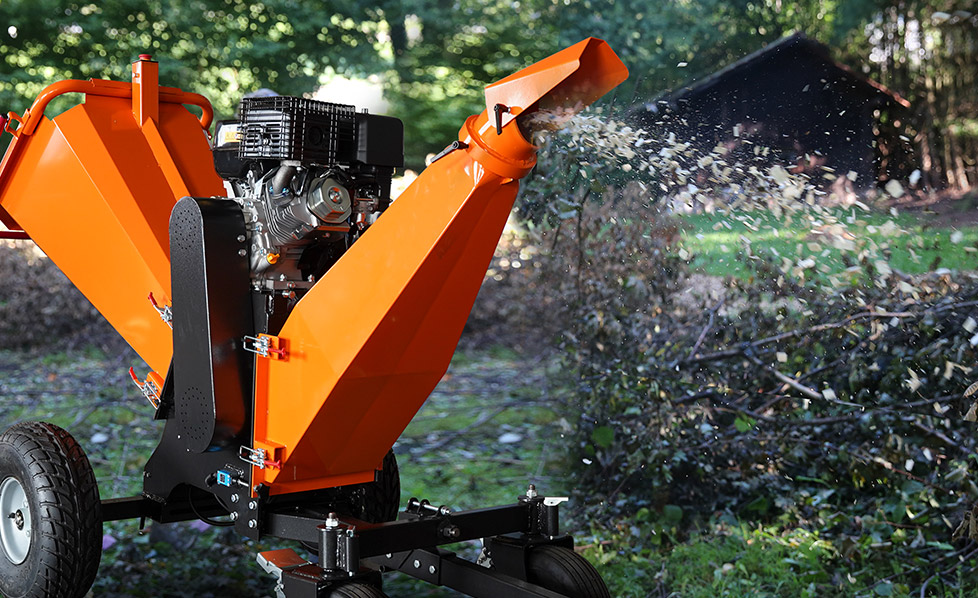
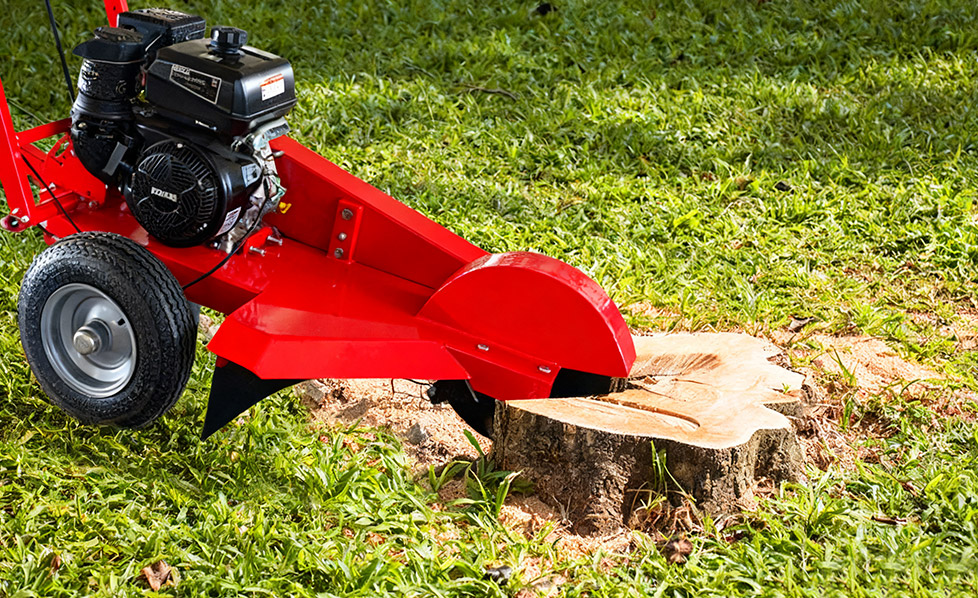
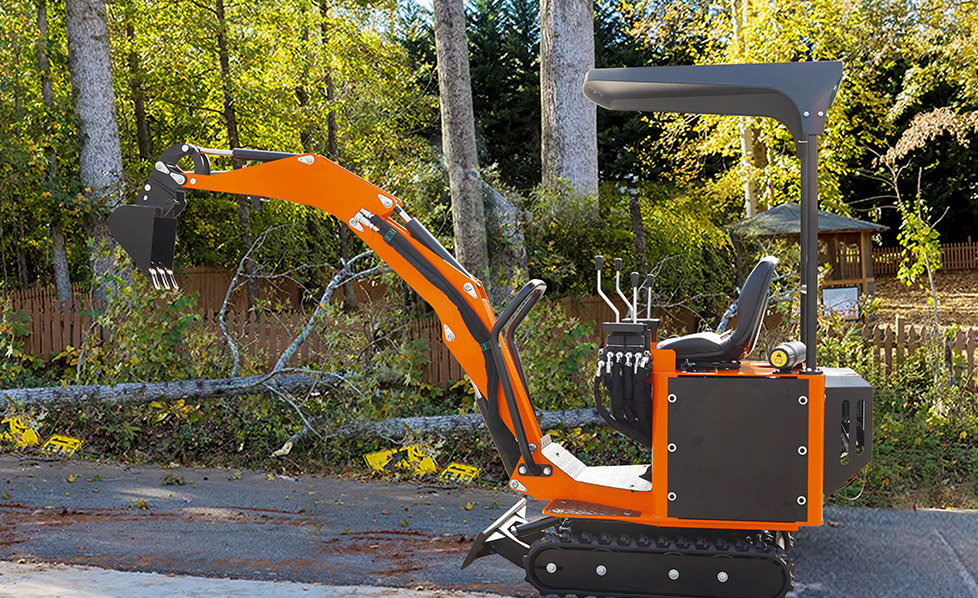


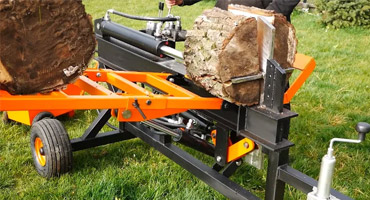
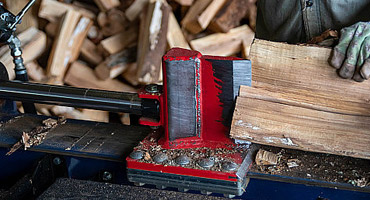




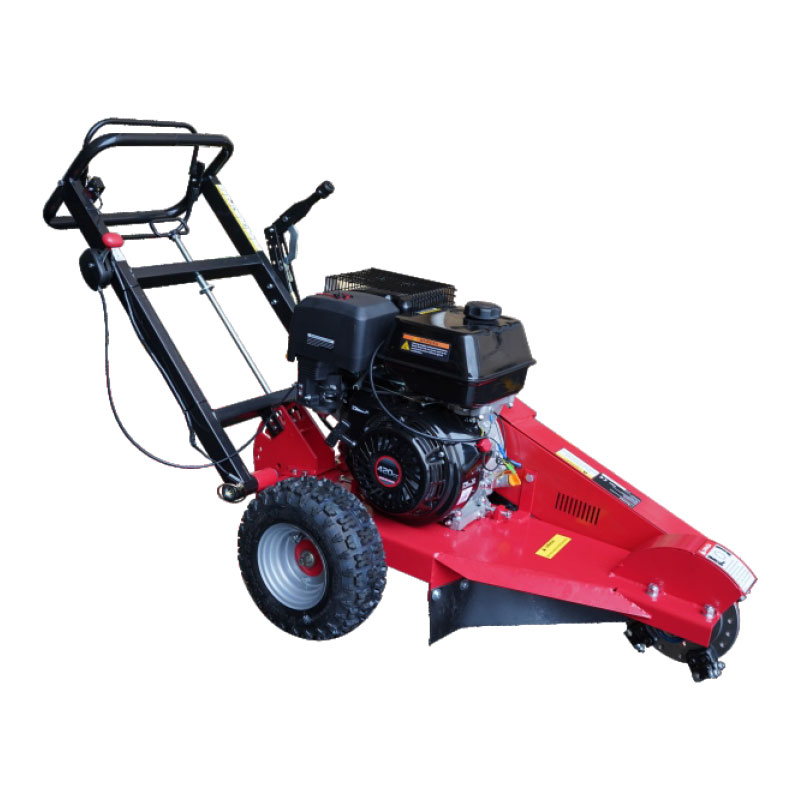
● Stumpf bis 12" unter der Erde ● Schwerlast-Kupplungsantriebssystem f...
Details anzeigen
Welche Auswirkungen hat die Stumpfschleiferindustrie auf die Umwelt?
Die Stumpfschleifer industry has a significant impact on the environment due to the nature of its operations. Stump grinding is a process of removing tree stumps and roots from the ground by using a machine called a stump grinder. Die grinder grinds the stump into small chips, which can be used as mulch or removed and disposed of.
One of the main environmental concerns with stump grinding is the generation of wood waste. Die process generates a significant amount of wood waste, which can be difficult to dispose of in an eco-friendly manner.
Another environmental impact of stump grinding is soil compaction. Die machines used for stump grinding are heavy and can cause soil compaction, which can affect the soil's ability to retain water and support plant growth. Soil compaction can also increase the risk of erosion, which can have adverse effects on nearby water bodies.
the use of stump grinders can result in noise pollution, which can affect wildlife and nearby communities. Die noise generated during stump grinding can disturb animals in the area, especially if the work is done in a sensitive ecosystem. Die noise can also be a nuisance to people living in the vicinity.
Um die Umweltauswirkungen des Stumpfschleifens zu minimieren, ist es wichtig, geeignete Geräte und Techniken zu verwenden. Beispielsweise kann die Verwendung von Baumstumpfschleifern mit fortschrittlichen Funktionen wie Gummireifen oder -schienen die Bodenverdichtung verringern. Darüber hinaus sollten Betreiber den Einsatz von Geräten mit geringerem Lärmpegel in Betracht ziehen, um die Auswirkungen der Lärmbelästigung zu minimieren.
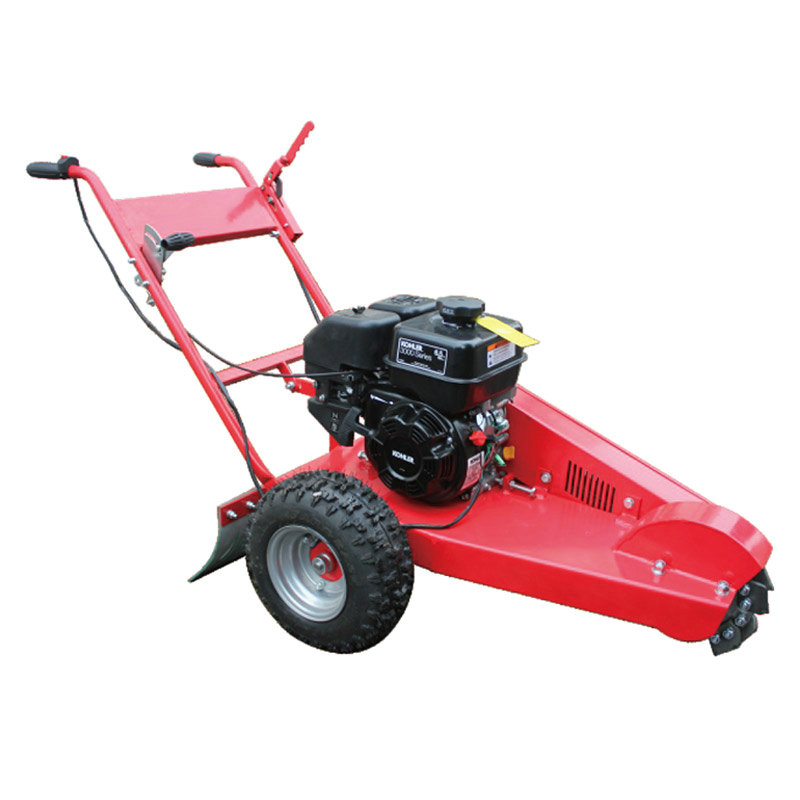
One of the main environmental concerns with stump grinding is the generation of wood waste. Die process generates a significant amount of wood waste, which can be difficult to dispose of in an eco-friendly manner.
Another environmental impact of stump grinding is soil compaction. Die machines used for stump grinding are heavy and can cause soil compaction, which can affect the soil's ability to retain water and support plant growth. Soil compaction can also increase the risk of erosion, which can have adverse effects on nearby water bodies.
the use of stump grinders can result in noise pollution, which can affect wildlife and nearby communities. Die noise generated during stump grinding can disturb animals in the area, especially if the work is done in a sensitive ecosystem. Die noise can also be a nuisance to people living in the vicinity.
Um die Umweltauswirkungen des Stumpfschleifens zu minimieren, ist es wichtig, geeignete Geräte und Techniken zu verwenden. Beispielsweise kann die Verwendung von Baumstumpfschleifern mit fortschrittlichen Funktionen wie Gummireifen oder -schienen die Bodenverdichtung verringern. Darüber hinaus sollten Betreiber den Einsatz von Geräten mit geringerem Lärmpegel in Betracht ziehen, um die Auswirkungen der Lärmbelästigung zu minimieren.
VORHERIGE:Welche Schlüsselfaktoren müssen bei der Auswahl eines Holzspalters berücksichtigt werden und wie wirken sie sich auf seine Effizienz, Sicherheit und Gesamtleistung bei Holzverarbeitungsvorgängen aus?
NÄCHSTE:Wie hat sich die Landschaftsbaubranche in den letzten Jahren verändert und welche Rolle spielt der TINE DETHATCHER in dieser Entwicklung?
NÄCHSTE:Wie hat sich die Landschaftsbaubranche in den letzten Jahren verändert und welche Rolle spielt der TINE DETHATCHER in dieser Entwicklung?
Interesse an einer Zusammenarbeit oder Fragen?
Verwandte Produkte
-
-
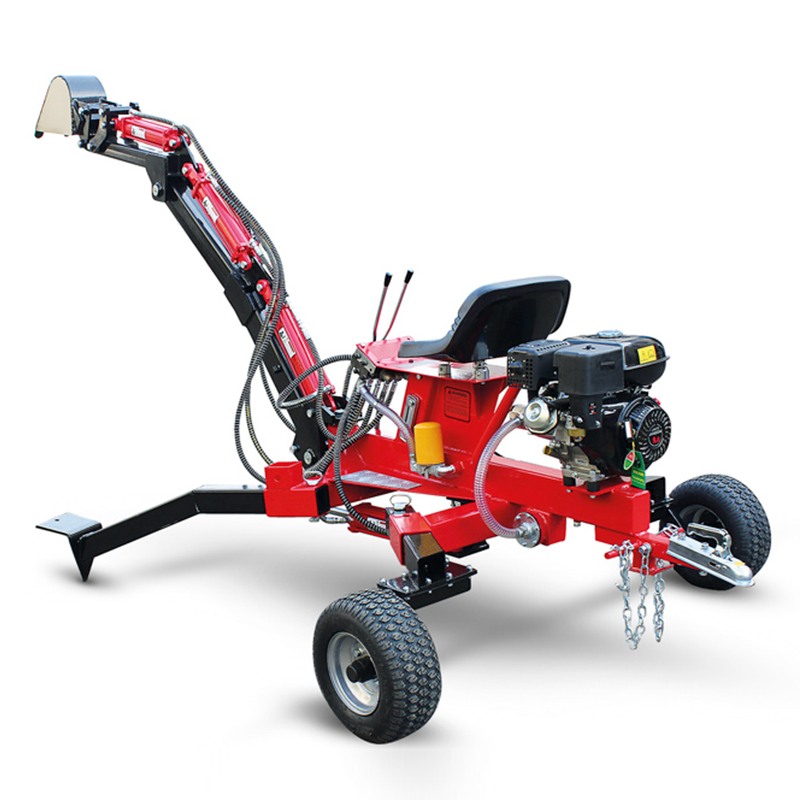
BAGGERLADER MIT 10" EIMER ◆MODELL NR.: N90A ◆9 PS BENZINMOTOR ◆EIMERS...
Details anzeigen -
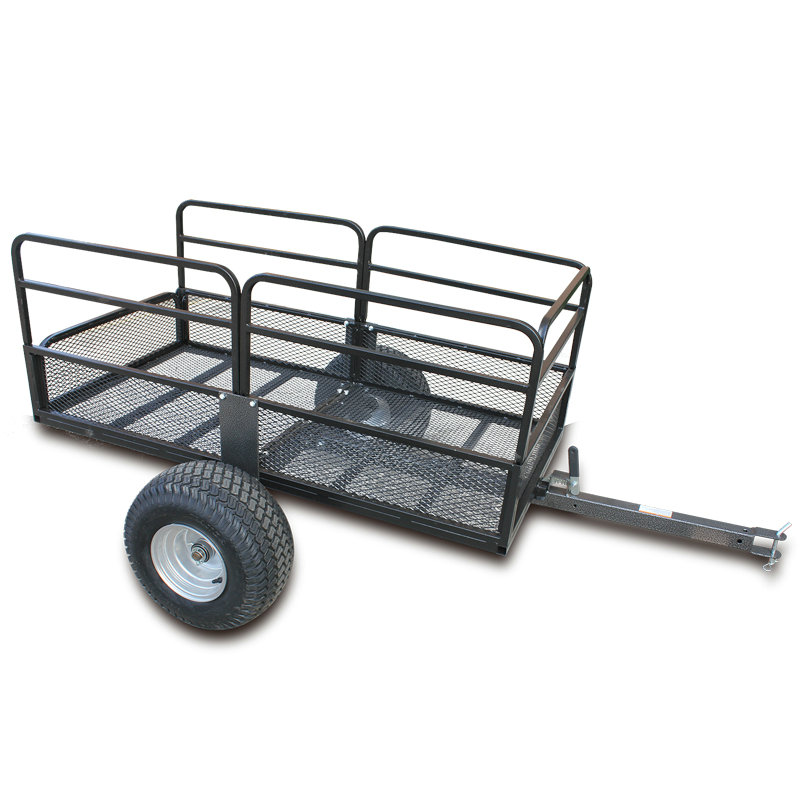
MODELL NR.: SP 22150 Abnehmbare Schienen und Heckklappe machen das Zie...
Details anzeigen -
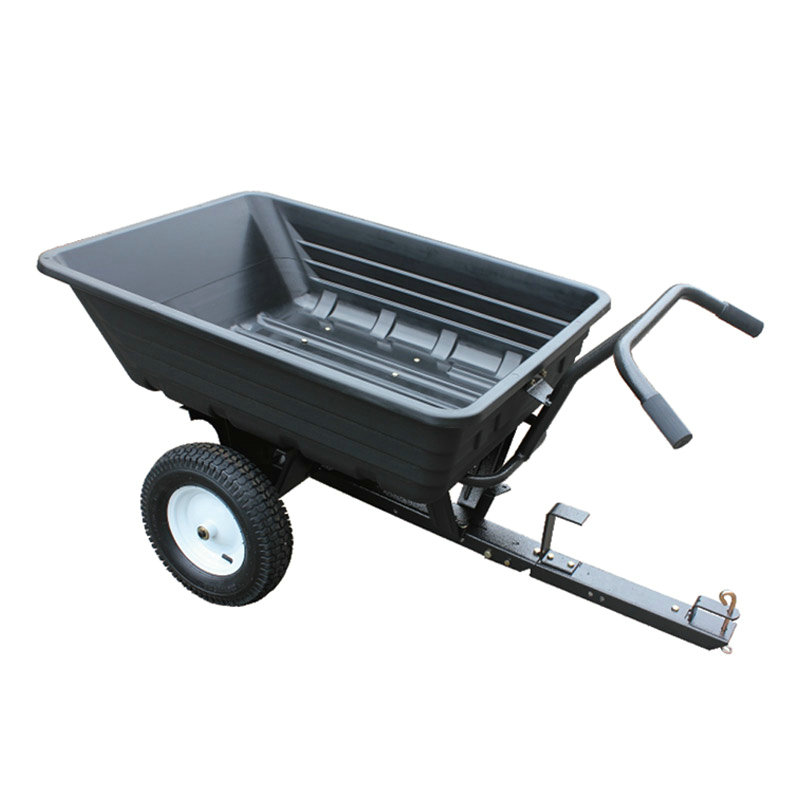
◆MODELL NR.: SP22134 ◆KAPAZITÄT: 650 LB/10 CU.FT ◆EINFACHES MONTAGEDES...
Details anzeigen -
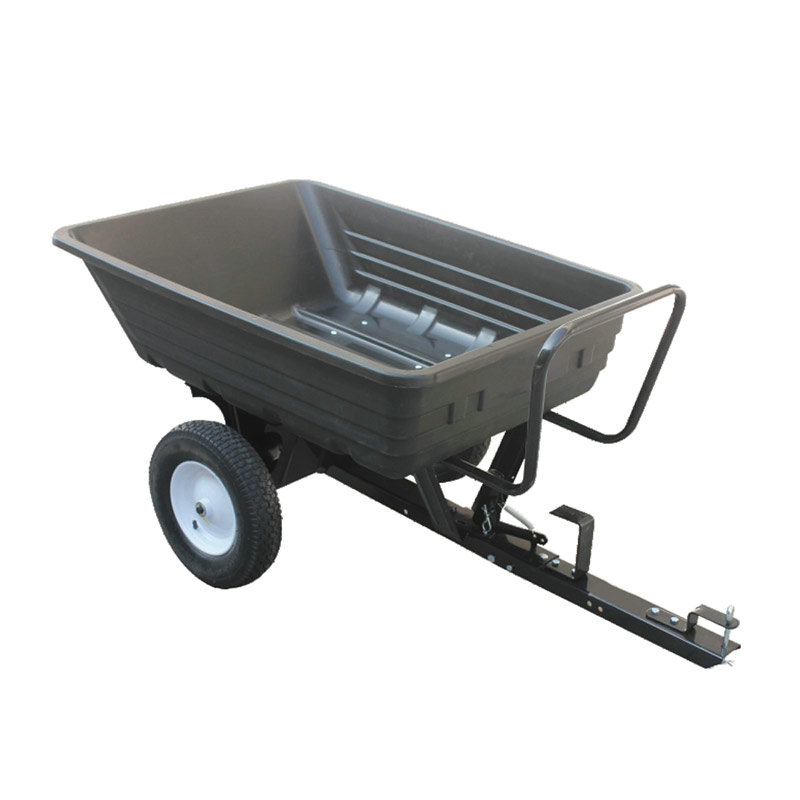
◆MODELL NR.: SP22111 ◆KAPAZITÄT: 500 LB/10 CU.FT ◆DAS POLYBET...
Details anzeigen
PRODUKT
NACHRICHTEN
KONTAKT
- Nr. 158, Songhai-Straße, Gemeinde Huimin, Kreis Jiashan, Provinz Zhejiang, China
-
Tel:
0086 573 8464 3695
0086 573 8464 7353
- E-Mail: [email protected]
MOBIL
Urheberrecht © Jiashan Superpower Tools Co., Ltd. Alle Rechte vorbehalten.Hersteller von Holzspaltern
